
Home · 3 min read
Simple ways to organize a small living space
By ToGiva Editorial · Published
Reduce clutter before adding storage, give daily items an accessible place and measure carefully before choosing space-saving bags or organizers.
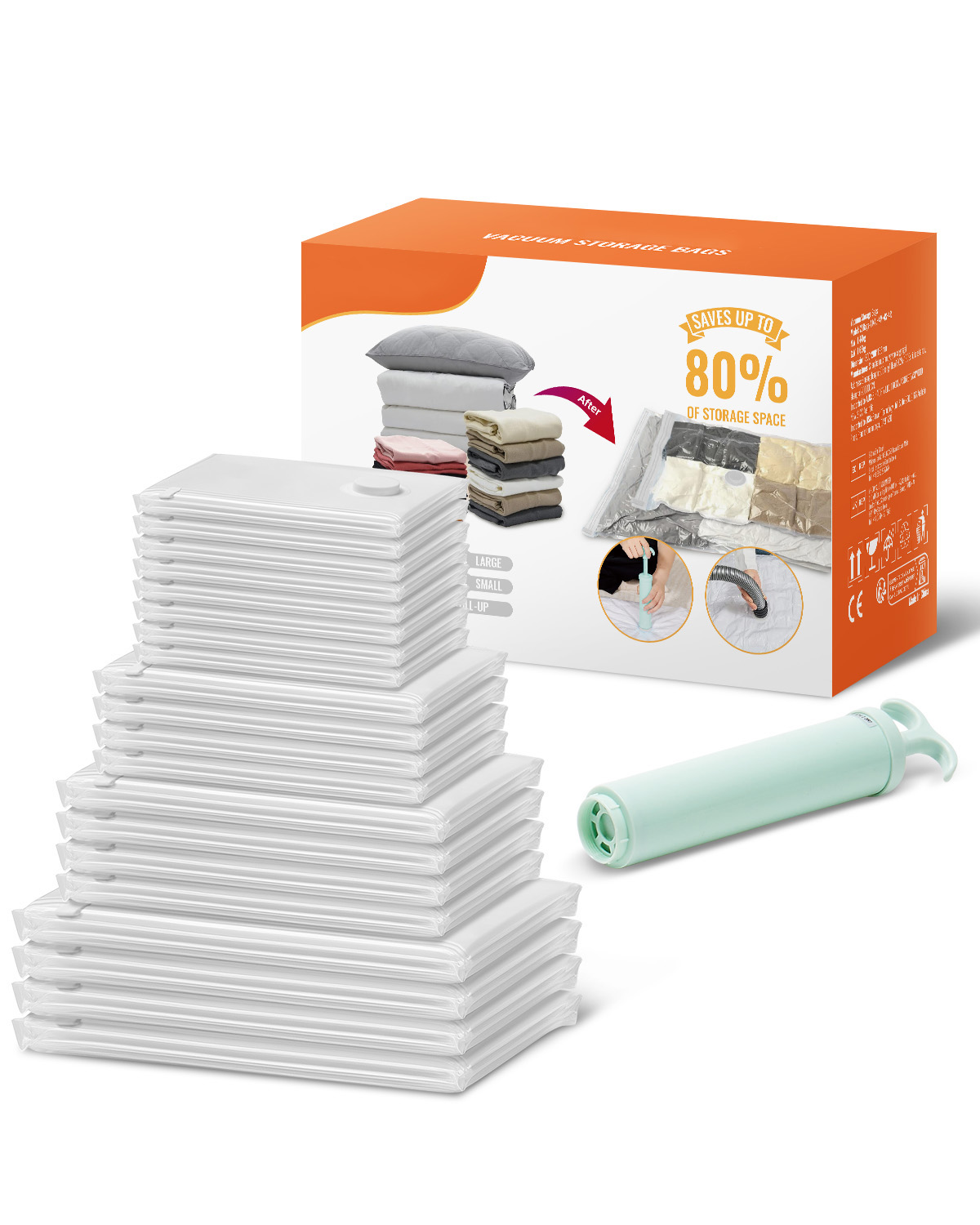
ToGiva sells products linked in this guide. Product photographs are used with supplier permission. This is general editorial guidance, not independent product testing or expert review.
Small-space organization works best when storage follows your habits. A new container cannot decide what you need or where you reach for it. Start with one area, reduce unnecessary items and make frequently used things easier to find before adding more storage.
Start with one manageable zone
Choose a shelf, drawer or patch of floor that interrupts daily use. Remove its contents and sort them into keep here, move elsewhere and decide later. Give the undecided group a small limit so it does not become a permanent second clutter pile. Preserve documents, labels and instructions that you genuinely need.
This is not a rule that every possession must be discarded. The goal is to let the available space support daily life. Shared homes may need agreed places and labels so one person's tidying does not make another person's belongings disappear.
Store according to frequency
Put daily items within easy reach, occasional items farther away and seasonal items in less convenient storage. Keep walkways, doors, ventilation and safety equipment clear. Heavy objects belong where they can be handled safely; adding a high shelf is not automatically the right solution.
Measure available width, depth and height before buying containers. Remember opening space: a box that fits inside a cupboard may still be hard to remove, and a lid may need extra clearance. Compare the exact product dimensions, not a staged room photograph.
Use compression thoughtfully
ToGiva offers a vacuum storage bag set with a hand pump. It is an example of storage intended for suitable bulky textiles. Check the bag size and instructions and the textile's own care requirements before using compression. This link does not promise a particular percentage of space saved or that every fabric tolerates long-term compression.
Do not put damp textiles into sealed storage. Keep clean, dry items identifiable and accessible, and avoid assuming a sealed bag makes an unsuitable damp or hot storage area acceptable. Leave sensitive materials uncompressed unless their care guidance permits it.
Think beyond buying another box
A designated spot for keys, a small incoming-paper tray or hooks approved for the wall and load can be enough to change a routine. Reuse a suitable container first if you have one. Before buying from the storage and organization collection, identify the item you will store and the location where it belongs.
Avoid drilling, overloading shelves or changing a rented space without checking the relevant permissions and installation directions. Organization advice should not replace safe mounting instructions.
Make the system easy to reset
Use broad labels you can maintain, such as daily cables or spare bedding, rather than a complicated classification you will abandon. Leave a little room for returning items. If a system requires unpacking three boxes to reach something you use every morning, change the layout rather than blaming your habits.
A simple weekly check
- Clear one surface that has become a temporary landing place.
- Return daily items to their agreed location.
- Empty the incoming-paper area and make any necessary decisions.
- Check that storage does not block safe movement or ventilation.
- Delay another storage purchase until you have measured and reduced the contents.
General clutter-reduction guidance from Utah State University Extension supports starting with manageable areas and practical sorting: https://extension.usu.edu/archive/wheres-my-desk_a-guide-to-reduced-clutter. These ideas are flexible household habits, not a tested claim that a particular ToGiva product will transform your space.