
Beauty · 2 min read
A practical beauty routine: organize what you actually use
By ToGiva Editorial · Published
Make everyday beauty care easier to manage with a smaller working set, readable labels and separate care instructions for tools.
ToGiva sells products linked in this guide. Product photographs are used with supplier permission. This is general editorial guidance, not independent product testing or expert review.
A useful beauty routine is one you can follow without searching through a crowded shelf. Organization does not require buying a complete new set of products. Begin with what you use, what its label requires and how much time you realistically have each day.
Separate care from collecting
Take everything out of one small area, such as a drawer or counter, rather than tackling the entire room. Group items by purpose and identify the ones you actually use. Keep ingredient lists, instructions and date markings readable. Do not decant a product simply to make containers match if doing so removes information you need.
Check period-after-opening symbols or expiry directions where provided. Do not guess dates from packaging style. If you do not know when you opened something, note that uncertainty instead of inventing a date. Products that are damaged, leaking or concerning deserve a separate decision before they return to daily use.
Keep the basic routine manageable
General dermatology guidance favors a simple routine over layering many new products at once. Cleansing, moisturizing as needed and suitable sun protection are common basics, but individual needs differ. Follow labels and professional advice where relevant. This is an organization guide, not a personalized skin-care prescription.
Avoid adding several unfamiliar products simultaneously just because they fit a new tray. If something irritates your skin, stop using it and seek suitable advice. More steps are not automatically better, and ToGiva does not claim that a beauty device can replace a medical treatment or sun protection.
Give daily items an accessible home
Put frequently used items together at a comfortable height. Keep less-used items elsewhere so the daily group is easy to see. A small tray can define a working area, but it should not crowd a sink edge or interfere with ventilation. Wipe surfaces according to their materials and let wet items dry before putting them in a closed drawer.
The beauty tools collection can help you compare actual tool types. Check dimensions and care instructions before adding one. A tool should earn a place in your routine rather than create another maintenance task you did not want.
Keep powered tools distinct
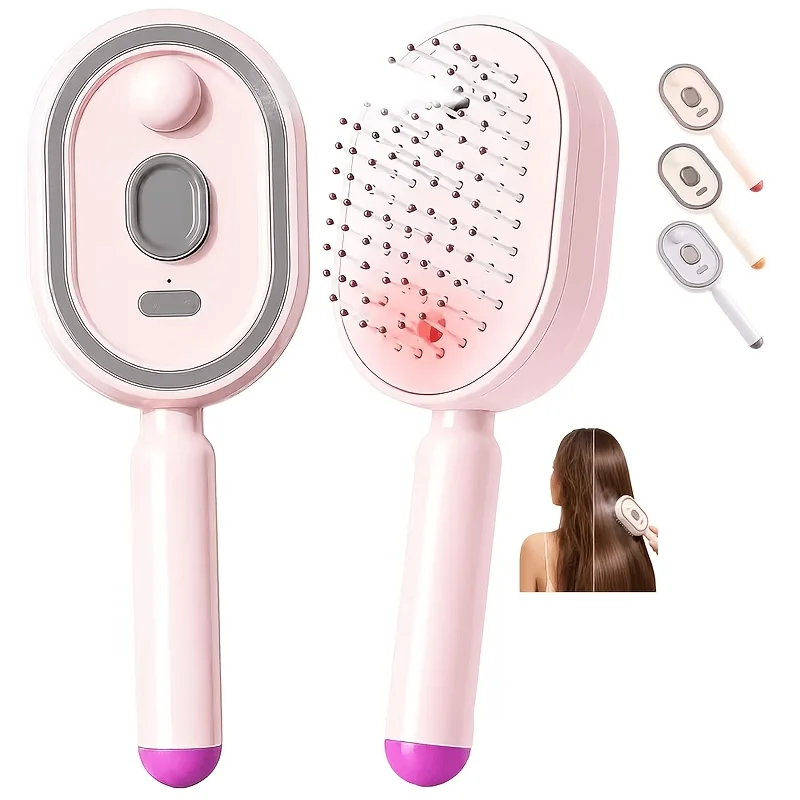
A cordless mist hair brush is an example of a powered tool requiring its own instructions. Store it and any attachments together, keep charging accessories identifiable and follow the manual for water exposure and cleaning. This example is not a recommendation of hair-growth, anti-loss or therapeutic performance.
Do not place chargers beside splashing water or cover equipment while it charges. If you lack instructions for a device, resolve that before using a care method intended for an ordinary brush.
A five-minute weekly reset
- Return items to their assigned place and wipe suitable surfaces.
- Set aside empties, damaged containers and items needing a label check.
- Identify brushes and tools that need their next cleaning session.
- Keep only the everyday working set on the counter.
- Review whether a new purchase solves a genuine need.
The aim is a clear, maintainable space, not a promise of a beauty result. General routine guidance is informed by https://www.aad.org/public/everyday-care/skin-care-basics/care/skin-care-budget; device use must always follow the specific manufacturer's instructions.