
Beauty · 2 min read
How to clean makeup brushes and let them dry properly
By ToGiva Editorial · Published
A straightforward brush-cleaning method, a realistic routine and important distinctions between ordinary brushes and powered beauty tools.
ToGiva sells products linked in this guide. Product photographs are used with supplier permission. This is general editorial guidance, not independent product testing or expert review.
Cleaning makeup brushes is a small task that is easier to keep up with when the method is simple. Ordinary brushes and electrical tools need different treatment. Start by identifying what you are cleaning, checking its care directions and leaving enough drying time before you next need it.
Set a realistic reminder
The American Academy of Dermatology recommends cleaning makeup brushes every seven to ten days. Use that as a general routine, not as a reason to ignore obvious residue or a manufacturer's more specific instructions. Keep clean brushes separate from used ones so you can tell which need attention.
Do not share brushes. This guide is routine care information and is not a treatment plan for skin problems. If a product or tool is causing irritation, stop using it and seek appropriate advice rather than trying to solve the problem by adding more products.
Wash the tips, not the whole handle
For a conventional makeup brush, rinse the tips with lukewarm running water. Avoid submerging the entire head or handle: the connection between bristles and handle may contain adhesive or materials that do not tolerate soaking. Check the brush manufacturer's instructions for unusual fibers or construction.
Use a gentle cleanser appropriate for the brush's directions. The AAD describes using a bowl of lukewarm water with gentle shampoo and swirling the tips, then rinsing. Avoid treating household disinfectants, boiling water or an abrasive scrub as interchangeable cleaning methods.
Rinse thoroughly and dry flat
Repeat gentle rinsing until the water runs clear, without pulling hard on the bristles. Gently squeeze excess water with a clean towel and reshape the head. Lay the brush flat with the tips extending beyond the edge of a counter so air can circulate. Choose a safe spot where it will not fall or be handled by children or pets.
Do not stand a wet brush upright in its usual holder; water can run toward the handle. Allow it to dry fully before putting it away. A hair dryer or radiator is not a shortcut unless the manufacturer explicitly approves that method.
A powered hair brush is not a makeup brush
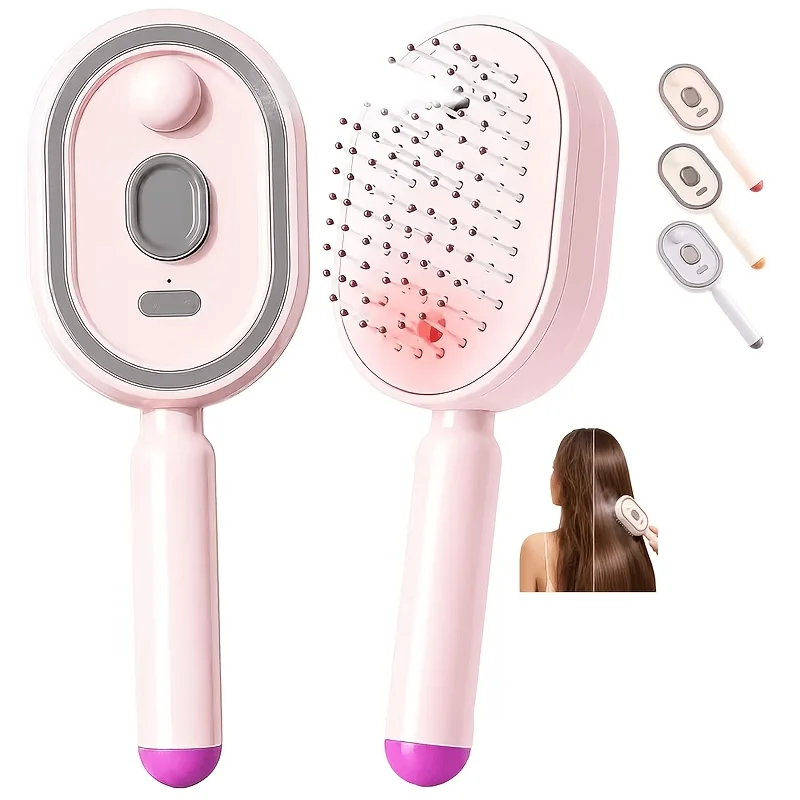
ToGiva currently carries beauty tools, including a cordless mist hair brush. Its photograph illustrates why the tool type matters: it is not a makeup brush and should not be immersed using the method above. A label such as self-cleaning does not mean every surface can be washed or that no maintenance is needed.
For electrical or battery-powered tools, follow the actual manual, disconnect power as directed and keep non-waterproof parts dry. Do not infer water resistance from a photo. ToGiva has not independently tested a cleaning or skin-benefit claim for that tool.
Keep the routine small
- Put a recurring reminder on a day when brushes can dry undisturbed.
- Keep a clean towel and suitable cleanser ready.
- Wash conventional brush tips gently and rinse away residue.
- Dry flat, then return only fully dry brushes to storage.
- Keep powered tools on a separate care routine based on their manuals.
Reference: https://www.aad.org/public/everyday-care/skin-care-secrets/routine/clean-your-makeup-brushes is the source for the seven-to-ten-day interval and flat-drying method. This article does not recommend buying a tool as a substitute for careful cleaning.