
Fragrance · 2 min read
Fragrance notes and concentrations: a practical guide
By ToGiva Editorial · Published
Learn what fragrance notes and concentration labels can tell you, what they cannot guarantee, and how to compare a perfume thoughtfully.
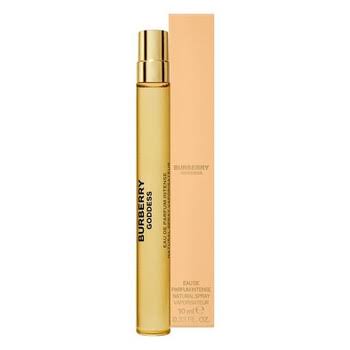
ToGiva sells products linked in this guide. Product photographs are used with supplier permission. This is general editorial guidance, not independent product testing or expert review.
A perfume description can sound like a list of ingredients, but it is usually a guide to a scent impression. Notes, concentration, size and application format answer different questions. Reading them separately helps you compare bottles without assuming a name or percentage predicts your experience.
What top, heart and base notes describe
Top notes describe the opening impression. Heart or middle notes describe the body of the fragrance as it develops. Base notes describe the deeper impression that remains as the opening softens. These are useful descriptive stages, not three separate compartments inside the bottle. Notes overlap, and the transition can differ between formulas.
A note such as rose, vanilla or cedar describes a perceived scent. It does not necessarily mean the bottle contains that botanical ingredient. Perfumers can create an impression with multiple materials. Read an ingredient label separately from the marketing note list, especially if you need to avoid a particular ingredient.
Compare fragrance families without overthinking them
Fresh, floral, woody and amber are broad ways to organize descriptions. Many perfumes cross those boundaries. Instead of deciding that every floral is light or every woody scent is heavy, identify two or three impressions you enjoy and compare specific fragrances. A family label narrows a search; it does not replace trying a scent.
What EDT, EDP and parfum mean
Eau de toilette, eau de parfum and parfum describe concentration styles. Definitions and formulas vary between manufacturers, so fixed percentage charts should not be treated as universal standards. A brand may also change the composition between its EDT and EDP versions. They may smell different, not simply stronger or weaker.
A concentration label alone does not guarantee hours of wear, projection, quality or value. Formula, application, surroundings and individual perception all matter. Check the exact edition and concentration on the listing and bottle rather than borrowing claims from another version with a similar name.
Miniature size is a separate decision
A mini is a smaller quantity, not a different concentration category. Check the listed volume and whether it is a spray or another application format. A small bottle may be convenient for a modest collection, but it should not be described as refillable, travel-approved or a sample unless the actual listing supports that claim.
ToGiva carries mini perfumes, including a Burberry Goddess mini eau de parfum. These links are examples of size and concentration information, not a claim that either product will perform a certain way on you.
A useful comparison checklist
- Confirm the exact fragrance name and edition, not just the brand.
- Compare concentration, volume, application format and packaging separately.
- Treat note lists as descriptions rather than complete ingredient lists.
- If you can try a fragrance, allow time for it to develop before deciding.
- Check current price, availability and return terms before purchasing.
For background on how perfume is composed, consult the International Fragrance Association's explanation of how fragrance is made: https://ifrafragrance.org/about-fragrance/how-is-fragrance-made. This article explains labels and shopping considerations; it does not report independent wear testing.